
Soil Health
Building resilient landscapes from the ground up.
Healthy soil is a living ecosystem. Our soil health services focus on restoring biological activity, improving nutrient balance, and supporting long-term plant performance through data-driven and environmentally responsible practices.
-
By inoculating soils with beneficial bacteria and mycorrhizal fungi, nutrients are broken down into forms that plants can actually use. Mycorrhizae extend root systems beyond what plants could access alone, increasing water and nutrient uptake while helping outcompete harmful fungi.
After biological inoculation, soil becomes more efficient at breaking down organic material. This creates a balanced ecosystem that supports long-term plant health and resilience.
-
Plants depend on 16 essential nutrients for healthy growth. These nutrients are grouped into macronutrients, secondary nutrients, and micronutrients.
While macronutrients such as nitrogen, phosphorus, and potassium are commonly emphasized, plant health depends on all nutrients being available in proper balance. An excess or deficiency in one element can limit overall growth and performance.
We analyze soil to determine which nutrients are lacking and introduce them strategically in ways best suited to your garden’s specific conditions.
-
At Microfauna, our goal is to maximize nutrient uptake while reducing nutrient leaching into our waterways.
By combining soil testing, biological activation, and responsible fertilization practices, we improve plant performance while protecting the ecosystems that define the Pacific Northwest.
Why it Works
Our Services

Compost Tea &
Biological Inoculation
Our compost tea applications are brewed in-house and refined through years of field experience in Pacific Northwest landscapes.
These biologically active solutions reintroduce beneficial microorganisms, stimulate nutrient cycling, and support long-term soil resilience. Applications are tailored to site conditions and seasonal timing to strengthen root systems and improve overall plant health.

Nutrient &
Soil Improvement
Fertilization is most effective when guided by soil data and biological context. We utilize high-quality granular inputs rooted in the Soil Science® methodology, applied strategically to improve nutrient availability while minimizing runoff.
For properties that include turf areas, our approach focuses on improving soil structure and nutrient balance to support healthy growth without excessive inputs.
Our Programs
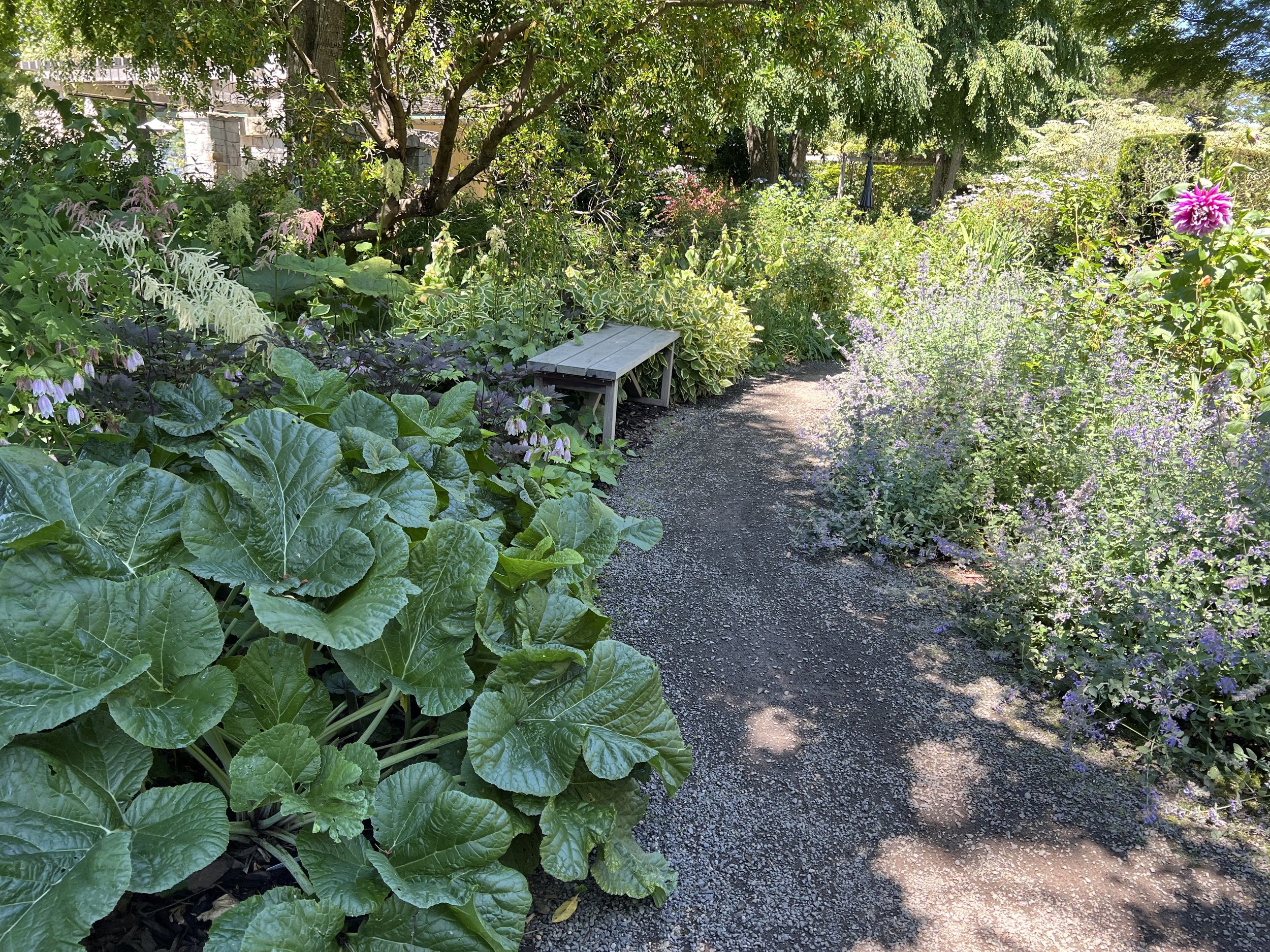
Existing Gardens Program
A three step consulting program for landscapes that are underperforming, declining, or ready for optimization.
Step 1: On site consultation
We evaluate plant performance, site conditions, irrigation patterns, and visible stress indicators.
Step 2: Soil testing
Targeted soil testing helps us move beyond guesswork and identify nutrient imbalances, deficiencies, and limiting factors.
Step 3: Written recommendations
You receive a clear, actionable summary outlining priority fixes, soil amendments, nutrient approach, and seasonal next steps.

New Gardens Program
A three year establishment program designed for newly installed landscapes, especially after construction or soil disturbance. The goal is to rebuild biology, support root development, and stabilize long-term performance.
Year 1: The Jump Start
Two compost tea applications, spring and fall. Focused on restoring living biology and supporting early root recovery.
Year 2: Get Growing
Compost tea plus targeted fertilization, spring and fall. With biology established, year two supports stronger root expansion and balanced growth.
Year 3: Stabilize
Slow release fertilization, typically one seasonal visit depending on site needs. Designed to support steady nutrient availability and reduce leaching as the landscape matures.